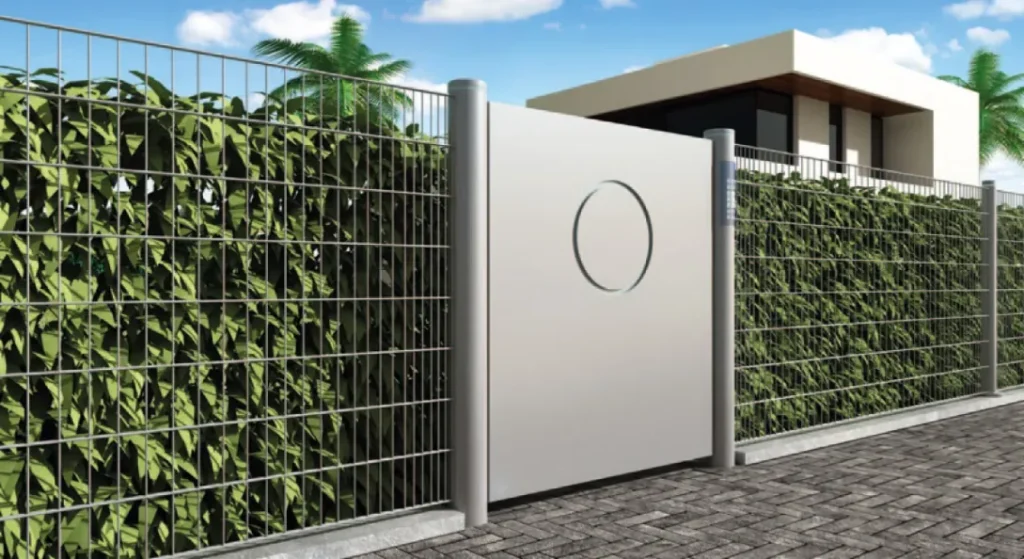
Professional Fencing Installation Services
Custom Wood, Vinyl, Aluminum, and Privacy Fence Solutions Built for Long-Term Structural Performance
Protect your property with expertly installed fencing designed to withstand soil movement, moisture exposure, and harsh weather conditions. Our professional crews handle utility locating, post-depth engineering, permitting, and precision installation to deliver durable, code-compliant fences that enhance privacy, security, and curb appeal.
Fencing Company Near Me: Costs, Planning, and Professional Installation Standards
Quick Summary: Professional fence installation prevents costly mistakes involving buried utilities, frost heaving, boundary disputes, and premature post rot. This guide explains real installation standards, proper post depth, material lifespan differences, and the true risks of DIY fence construction.
How hard is it to install a fence myself vs. hiring a professional?
Installing a structural fence yourself requires heavy physical labor, specialized machinery, and carries a high risk of property damage. Professional fencing crews adhere to strict residential fence standards using commercial equipment, protecting homeowners from unmapped utility strikes and structural failures. Professional fencing companies also coordinate utility locating services, permit requirements, and setback compliance before excavation begins. Because underground utility layouts and frost depths vary significantly by region, contractors typically inspect soil conditions and local code requirements prior to digging. Most professional residential fence installations range from $25 to $75 per linear foot depending on the material, terrain difficulty, gate configuration, and regional labor costs.
Many homeowners grossly underestimate the subterranean challenges of fence installation. For example, a DIYer attempting to save on trenching and post-hole costs rented a walk-behind auger but skipped the 811 utility-marking service. They struck a main low-voltage communication cable, resulting in a $2,500 utility fine for unauthorized excavation and the added cost of hiring a professional crew to hand-dig around the damaged infrastructure. Another homeowner in Ontario faced a massive $27,000 repair bill after digging machinery cut a hidden underground power line, forcing a complete underground power-line replacement that insurance refused to cover.
Even without utility strikes, the physical toll of digging is a major hurdle. A homeowner in a suburb with heavy clay and buried rock beds rented a two-man auger to dig post footings. When the auger struck a massive rock bed, the violent torque bent the blades and destroyed the rental machine’s gearbox, leading to a $450 rental penalty. Ultimately, they still had to hire a professional contractor for $3,800 to bring in a mini-excavator with a rock-auger attachment capable of cutting through the buried stone.
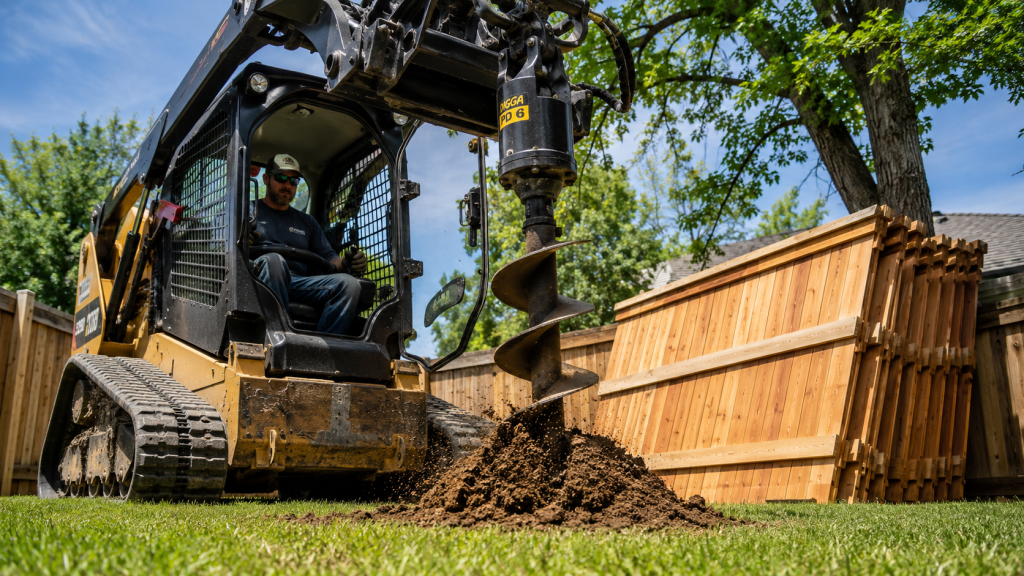
How deep do fence posts actually need to be set to prevent heaving or leaning?
Fence posts must be set into the ground extending safely below the regional frost line, typically one-third to one-half of their total above-ground height. Adhering to standard material specifications for footing depth prevents soil heaving and guarantees structural wind-load resistance.
In regions with freezing winters, failing to reach the 36- to 48-inch frost line allows the freeze-thaw cycle to push posts upward, a process known as frost heaving. To combat this, professionals dig 10- to 12-inch diameter holes for standard 4×4 posts, placing a layer of gravel at the bottom to ensure water drains away from the wood base.
The volume and application of the concrete are just as critical as the depth. A properly designed footing acts as a heavy anchor against severe wind shear. Crews wet-mix the concrete thoroughly before pouring to maximize structural integrity, rather than relying on dry-pouring methods. Finally, they taper the top of the concrete pour into a dome shape just above the soil grade; this sheds rainwater away from the wood, preventing base rot and extending the life of the entire assembly.
Are there rules for building a fence directly on the property line?
Constructing a fence on a property boundary requires an official plat survey and strict adherence to local setbacks to avoid legal trespass disputes. Additionally, structural wood posts must conform to strict chemical retention classifications to survive constant ground-moisture exposure.
Guessing your property line can be an incredibly expensive mistake. A Texas homeowner trusted an outdated map and built a premium horizontal cedar fence. A year later, the adjacent lot was sold, and an official boundary survey revealed the fence encroached exactly 6 inches onto the neighbor’s land along a 100-foot stretch. Facing legal threats, the homeowner had to pay a rescue crew $4,200 to carefully dismantle the panels, pull the heavy concrete-set posts out with a skid-steer, auger a completely new line 6 inches inward, and rebuild the structure.
Beyond legal placement, material chemistry dictates a fence’s lifespan. Wood treated to UC3B specifications is strictly meant for above-ground use (like pickets) and cannot fight off subterranean fungal attacks. When inexperienced installers cut costs by using UC3B wood or unrated 4x4s for ground posts, fungal decay rapidly compromises the wood fibers at the soil line. Within three years, these posts snap easily with a simple push, forcing the homeowner to jackhammer out the concrete chunks and completely rebuild using the correct UC4A ground-contact pressure-treated posts.
Fence Material Lifespan and Resistance Comparison
| Material Type | Primary Grade/Standard | Estimated Lifespan | Rot & Pest Resistance |
|---|---|---|---|
| Pressure-Treated Pine | UC4A (Ground Contact) | 15–20 Years | High (chemically treated to resist decay and termites). |
| Western Red Cedar | Premium / Clear | 20–25 Years | High (natural oils repel insects and moisture). |
| Vinyl (PVC) | ASTM F964 | 20–30+ Years | Extreme (completely impervious to organic rot and insects). |
| Aluminum | Powder-Coated | 30+ Years | Extreme (will not rust, rot, or degrade in soil). |
Because excavation mistakes become dramatically more expensive after digging begins, most homeowners save money long-term by hiring a licensed fencing contractor before any soil disturbance occurs. Reputable fencing contractors also document post depth, concrete curing conditions, and material grades to ensure long-term structural performance.
Frequently Asked Questions
Do I need a permit to build a fence in my backyard? Most municipalities require a zoning or building permit for fences over a certain height (typically 6 feet) or if the property sits on a corner lot. Always check with your local building department, as failing to pull a permit can result in mandatory tear-downs.
Who owns a fence built exactly on the property line? If a fence is built directly on the shared boundary line, it is generally considered a “boundary fence” and is jointly owned by both neighbors. Maintenance and replacement costs are typically shared, but local state laws and neighbor agreements dictate the exact terms.
Which side of the fence should face my neighbor? The finished or “good” side of the fence should always face outward toward your neighbor and the street. Not only is this standard etiquette, but many local building codes legally require the structural rails and posts to face the interior of your yard.
How long does it take a professional company to install a fence? A professional crew can typically complete a standard residential fence installation (150 to 200 linear feet) in 2 to 3 days. The timeline depends heavily on the soil conditions, the need to clear old fencing, and whether the concrete footings need extra time to cure.
