Top Fencing Companies in Durham, CA, 95928 | Compare & Call
There are 139 fencing companies server in Durham CA

H & L Fence has been serving Paradise, CA, and the surrounding areas for over a decade, providing expert fence and gate solutions to local homeowners. Located just off the Skyway near Paradise Communi...
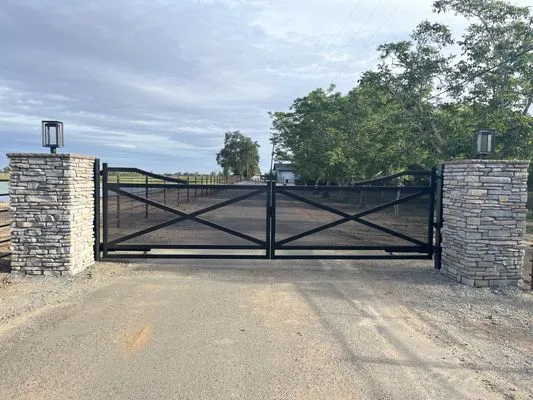
Gate Minder is a family-owned fencing and gate service based in Chico, CA, founded in 1996 by Kevin Meadows. Now under the ownership of his grandson, Andrew, who grew up in the business, the company b...

Torres Luis Construction in Chico, CA, brings over 100 years of combined experience to every project. We specialize in concrete work—driveways, walkways, patios, and retaining walls—as well as patio c...

J2 Property Management and Repair brings over 12 years of experience to Chico homeowners, offering a full range of handyman and construction services from exterior to interior work. Based in the heart...

Elite Home Solutions provides handyman, junk removal, and fencing services across Butte County, with a strong presence in Chico. Homeowners near Bidwell Park, Chico State University, and the downtown ...

Rafi's Pergolas, established in 2009 in Chico, CA, specializes in custom outdoor structures including patio coverings, fences, and gates. The company has built over 30 pergolas and 15 gates, using tre...

Dave Dubner Construction has been a trusted name in Chico, CA, for over 20 years, specializing in custom carpentry, fencing, and general contracting. Based near the heart of downtown, they serve neigh...

Munoz’s fencing and welding is a locally owned business serving Chico, California, with expert fence and gate solutions. They specialize in installation, repair, painting, staining, and weatherproofin...

Stratton & Son Fence Construction has served Paradise, California, since 1974, providing experienced fence and gate services for both residential and commercial properties. As a licensed contractor, w...
Quality Fence & Repair has been serving Paradise, CA, and the surrounding Butte County area with reliable fence and gate solutions. We understand the unique challenges local homeowners face, from inte...
Estimated Fencing Costs in Durham, CA
Question Answers
Am I legally required to tell my neighbor I'm replacing our shared fence in Durham, CA?
Yes. California Civil Code 841, the 'Good Neighbor Fence Law,' mandates specific written notice to adjoining owners at least 30 days prior to construction or replacement of a shared boundary fence. For 2026 projects, this notification must include a Good Faith Estimate, proposed materials, and the proposed timeline. This statute governs cost-sharing and dispute resolution, making formal notification a critical first step to avoid legal complications.
Why do my fence posts need to be set so deep in Durham?
The 12-inch frost line depth in California's Central Valley is a critical design factor. When soil freezes, it expands upward; posts set above this line are subject to frost heave. This repeated lifting during winter months breaks the post's concrete collar and compromises the entire structure's stability. Following IRC Section R403.1.4, we set all posts at a minimum of 24 inches deep to anchor them below the active frost zone, preventing failure common in Durham Estates.
How soon can a crew start, and what's the consultation process?
After a signed proposal and permit approval, we typically schedule crews within 10-14 business days. For a consultation, our project manager routes from the Durham Community Park area via CA-99, arriving at your property in Durham Estates within the standard 25-35 minute dispatch window. This meeting confirms layout, reviews utility marks, and establishes a clear construction timeline before any materials are staged on site.
What needs to happen before you dig the first post hole?
Strict prep protocol prevents major liability. First, we call 811 (Underground Service Alert of Northern California) to mark all public utility lines. Hitting a gas or fiber line in Durham Estates can incur tens of thousands in damages and repair costs. Concurrently, we manage all permit paperwork with the Durham permit office, ensuring the plan meets zoning height, setback, and if applicable, pool barrier requirements. No excavation occurs without clear marks and an approved permit.
What are the height and placement rules for a new fence on my property?
Durham zoning enforces a 3-foot maximum height for front yard fences and 6 feet for rear and side yards. The standard 0-foot setback allows construction directly on the property line. However, corner lots have additional 'sight triangle' requirements. Near intersections or major corridors like CA-99, a clear visibility zone must be maintained. This typically prohibits any obstruction over 3 feet tall within 10 feet of the property corner, ensuring driver safety.
Can I have an automatic gate for my pool area?
Yes, but it must integrate specific safety features. California Health & Safety Code 115922 requires pool barriers to be at least 5 feet high with self-closing, self-latching gates. A smart gate system must meet ASTM F2286 standards for outward-opening force and latch strength. We integrate IoT-enabled latches that provide remote status alerts and auto-lock features, creating a compliant barrier that satisfies both modern security trends and strict liability standards.
What fencing material holds up best in Durham's soil and climate?
Material selection must address moderate termite risk and low-to-moderate soil corrosivity. Pressure-treated lumber or naturally resistant woods like cedar are standard for termite mitigation. For metal posts and hardware, hot-dip galvanized steel or aluminum is essential to combat soil salts and moisture. Using incompatible fasteners, like plain steel with redwood, causes rust streaks and premature failure. We specify corrosion-resistant brackets and fasteners to ensure longevity.
Is a standard fence strong enough for the wind in this area?
Standard designs often fail. Durham's 105 MPH V-ult wind speed rating requires engineering for ultimate load. This V-ult value, per ASCE 7-22 standards, dictates closer post spacing (often 6 feet on-center instead of 8 feet), deeper footings, and the use of moment-based bracket connections. A fence not designed for this wind load will fail at the post-to-footing connection during peak storm season gusts, leading to cascading structural collapse.
