Top Fencing Companies in Lafayette, CA, 94549 | Compare & Call
There are 237 fencing companies server in Lafayette CA

American Debris Box & Portables
American Debris Box & Portables is a woman-owned, family-operated site rental company based in Half Moon Bay, California, serving the Bay Area since 2000. We specialize in portable toilet rentals, deb...

Rodriguez Fencing has been serving Concord, CA, and the surrounding communities for over 24 years, building a reputation as a trusted specialist in fences, gates, and retaining walls. As a licensed co...

I’m Izzy, owner of The Expert Gate Services in San Mateo, CA. Since 2010, I’ve worked as a gate and fence technician, and in 2018 my brother and I launched our family-owned business to bring a hands-o...

Decks By Woodmasters is a licensed deck construction and maintenance company based in Novato, CA, with over 30 years of experience serving the Bay Area. Originally from New York, founder Michael moved...

A&J Fencing is a family-owned custom fence and deck company serving Concord and the San Francisco East Bay since 2001. Founded by father-son duo Anthony and Justin Lena, the business started in their ...

Neza Iron Works is a family-owned metal fabrication business in Oakland, CA, established in 2013. With over a decade of experience and a background in customer service, the owner—along with his wife a...

Local Gate Service
Local Gate Service, a father-and-son family business since 2004, provides expert gate and fence solutions across the Bay Area with a focus on Oakland. We specialize in automatic gate installation, gat...
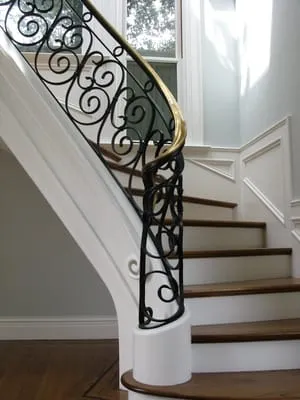
Dimensional Iron, located in Fairfield, CA, specializes in hand-forged ironwork for custom railings, gates, and fences. Since 2012, we have served residential and commercial clients throughout Solano ...

Nob Hill Gates & Garage Doors, founded in 2016, is San Francisco's trusted neighborhood garage door and gate service. Oliver Rees, a local homeowner himself, understands the urgency of a broken garage...

SF Bay Automatic Gates, based in San Jose, CA, is a licensed contractor specializing in custom electric gates, iron fences, and access control systems. Serving Silicon Valley, the team handles everyth...
Estimated Fencing Costs in Lafayette, CA
Common Questions
What are the height and setback rules for a fence on my property?
Lafayette zoning enforces a 3-foot height limit in the front yard setback and a 6-foot limit in rear and side yards. The 'on line' 0-foot setback is only permissible with documented written consent from the adjacent property owner. For corner lots, a 'sight triangle' must be maintained for driver visibility; this is critical for properties near the high-traffic CA-24 corridor. Any fence obstructing this triangle will be cited and required for removal.
How soon can a fencing specialist assess my property?
A structural perimeter specialist can typically schedule a consultation within 3-5 business days. The standard dispatch route is from the Lafayette Reservoir area, proceeding via CA-24 to the Downtown neighborhood. Accounting for standard midday traffic, the expected travel time for an on-site assessment is 25-35 minutes. This consultation will verify measurements, wind exposure, and zoning compliance before providing a firm quote.
What is the process for locating utilities before digging fence post holes?
You must call 811, the Underground Service Alert of Northern California, at least two working days before excavation. They will mark all public utility lines. In Downtown Lafayette, hitting a gas, fiber, or electrical line is a major liability involving repair costs, fines, and service disruption. A professional installer manages this ticket and coordinates the subsequent permit paperwork with the Lafayette Permit Office to ensure the project is fully cleared.
What are my legal obligations to a neighbor when replacing a boundary fence in Lafayette?
California Civil Code 841 governs 'good neighbor' fence law. As of 2026, you must provide a formal 30-day written Notice of Intent to the adjoining owner before construction or replacement of a shared boundary line fence. This notice must include a description, proposed timeline, and an estimated cost share. Failure to provide this notice in Lafayette can result in liability for the full cost and potential removal.
Can I integrate a smart gate with my pool fence to meet California safety codes?
Yes, but the integration must comply with CA Residential Code Appendix AX (ASTM F2286). A self-closing, self-latching smart gate with IoT sensors can meet the code, provided the latch mechanism is a minimum of 54 inches above the bottom of the gate and operates automatically. This dual-purpose system addresses both modern security trends and strict liability standards for drowning prevention in California.
How is my fence designed to withstand high winds from the Lafayette Reservoir area?
The design is engineered for the 110 MPH V-ult wind speed rating. This 'ultimate design wind speed' from ASCE 7-22 standards dictates post spacing (often reduced to 6-foot centers), concrete footing diameter (typically 12 inches), and the use of through-bolt brackets instead of face-fastened nails. This ensures the structure can survive peak storm season gusts, which are channeled through local topography.
How do Lafayette's soil and pest conditions affect my choice of fencing materials?
Moderate soil corrosivity and termite risk require material compatibility. Pressure-treated lumber must be rated for ground contact (UC4A). For metal posts, hot-dip galvanized steel is the minimum; aluminum or stainless steel fasteners are required to prevent rust streaks on finishes. Composite materials are resistant to both corrosion and pests, making them a high-durability option for the Downtown Lafayette environment.
Why do fence posts in Downtown Lafayette require deep concrete footings?
The 12-inch frost line dictates footing depth. Posts set above this line are subject to frost heave, which will lift and break the structure. IRC Section R403.1.4 requires footings to be placed below the frost line to ensure stability. In Lafayette, this means a minimum 12-inch hole, plus an additional 6 inches for gravel drainage, is non-negotiable for a permanent installation.
