Top Fencing Companies in Walnut, CA, 91724 | Compare & Call
There are 239 fencing companies server in Walnut CA

770 Local Garage Doors & Gates Service in Covina, CA, provides residents with reliable garage door and gate solutions. Our team focuses on delivering long-lasting results through fast, professional se...

La Habra Fence Company, founded in 1948, is a family-owned fencing contractor serving Southern California for over 65 years. Under new ownership since August 2024, we provide installation, repair, pai...

Stump Fence has been family-owned and operated since 1978, bringing over 50 years of fencing expertise to Glendora and the Inland Empire. Founded by Melissa's father, the company specializes in the in...

Ranchero Fence, a family-owned business based in Rancho Cucamonga, has been providing reliable fencing and gate services to local homeowners and businesses. Quality and durability are at the core of e...
BetterYard Construction
BetterYard Construction is a licensed and insured outdoor construction company serving homeowners in Irvine and across Southern California. We specialize in pavers, concrete driveways, patios, retaini...

T & T Ornamental Fence, based in Santa Ana, CA, brings over 20 years of experience in fencing and gate work across Orange County. Run by a team that values straightforward service, we offer both comme...

Magic Hand Handyman in La Puente, CA, brings over 20 years of hands-on experience to homes throughout the San Gabriel Valley. We specialize in a full spectrum of home repair and improvement services, ...
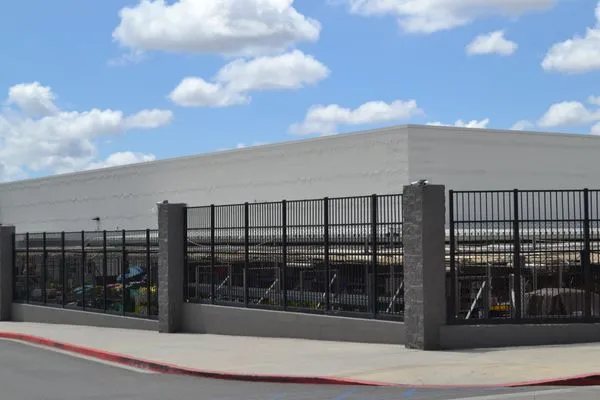
Iron Generations, established in 1990, is a family-owned custom ornamental ironwork company serving Orange, CA, and the greater Orange County area. We specialize in both commercial and residential pro...

AIL Welding Services in Riverside, CA, offers custom metal fabrication, fence and gate repair, and trailer repair for local residents and businesses. With years of hands-on experience, the team specia...

Bradford Fence Co is a licensed fencing contractor serving homeowners in Riverside, CA, and surrounding areas. We specialize in the installation, repair, and maintenance of vinyl, wood, chain link, an...
Estimated Fencing Costs in Walnut, CA
Q&A
What are the 2026 legal requirements for replacing a shared fence with my neighbor?
California Civil Code 841 and local Walnut ordinances require formal written notice to adjoining property owners 30 days before altering a shared boundary fence. The 2026 update mandates including a detailed project description, material specifications, and a proposed cost-sharing arrangement. Failure to provide this notice forfeits your right to claim reimbursement and can result in a partition fence dispute. We handle the certified mailing and documentation as part of our service.
How do Walnut's termite risk and soil conditions affect fence material choice?
Snow Creek's moderate to heavy termite risk rules out untreated wood posts in direct soil contact. The moderate soil corrosivity index requires corrosion protection for metal. We specify hot-dipped galvanized steel posts with a powder-coated finish for the panels. All fasteners must be stainless steel or polymer-coated to prevent rust streaks from forming on the finish. This material compatibility prevents premature failure from subterranean decay and electrochemical corrosion.
Can a smart gate system meet California's pool safety code?
Yes. Modern IoT gate operators integrate with self-closing, self-latching hardware that exceeds ASTM F1908-16. The system must maintain a latch release height of at least 60 inches from the bottom of the gate and automatically close and latch within 5 seconds. We specify Grade 1 commercial hinges and latches with encrypted wireless control, creating a secure perimeter that satisfies both 2026 smart-home trends and strict liability standards for California homeowners with pools.
What are the height and setback rules for a fence on my Walnut property?
Walnut zoning enforces a 3-foot height limit in the front yard and a 6-foot limit in rear and side yards. The 0-foot setback regulation allows construction directly on the property line. For corner lots, especially those near CA-60, a visibility 'sight triangle' is mandated. No obstruction over 3 feet high is permitted within 10 feet of the property corner intersection. We survey this during consultation to ensure compliance and driver safety.
What is the utility locate and permitting process in Walnut?
State law requires a DigAlert (811) ticket 2 working days before excavation. In Snow Creek, hitting a gas, fiber, or irrigation line is a major liability causing service disruption and fines. We file the ticket and physically mark the proposed fence line with white paint. Concurrently, we submit the site plan to the Walnut Planning Department, securing the required permit. Managing this paperwork upfront prevents costly work stoppages and ensures the project adheres to all local codes.
What is your consultation timeline and route to a property in Snow Creek?
We typically schedule consultations within 3-5 business days. For Snow Creek, our field supervisor routes from Suzanne Park via the CA-60 freeway, with a standard travel time of 25-35 minutes depending on traffic. The consultation includes a site survey, soil assessment, and a review of your property's wind exposure from the highway corridor. This allows us to provide a fixed-price, engineered proposal on-site, with project starts generally scheduled 2-3 weeks after contract signing.
Why do fence posts in Snow Creek need footings below 12 inches of frost?
California's IRC R403.1.4 requires footings to extend below the frost line to prevent frost heave. The 12-inch frost depth in Walnut means soil freezes and expands upward in winter. Posts set in shallow concrete will lift, cracking panels and gates. For structural stability, we install all posts with a minimum 24-inch embedment in concrete, placing the footing base securely below the active frost zone.
How is a fence engineered for Walnut's 110 MPH V-ult wind rating?
The 110 MPH ultimate design wind speed (V-ult) from ASCE 7-22 dictates the structural load. For a solid-panel fence, this requires closer post spacing (often 6-foot centers instead of 8-foot), deeper concrete footings, and wind-rated post brackets. Open-weave designs like aluminum or wrought iron reduce wind load. We calculate the required Moment of Inertia for posts to resist the peak gust loads expected during Southern California's Santa Ana wind season, preventing overturning failure.
