Top Fencing Companies in Council, ID, 83612 | Compare & Call
There are 71 fencing companies server in Council ID

Riverside Home Restoration is a small, licensed and insured team based in Nampa, ID, serving the Treasure Valley. We specialize in fence and deck staining, repair, and power washing for both residenti...

Owyhee Land & Fence serves Marsing, Idaho, offering expert fencing and excavation services. Located near the Snake River and Marsing City Park, we address the area's frequent fencing problem: soil shi...
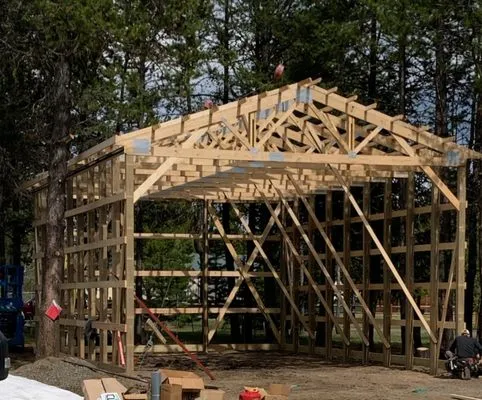
Simple Structures has been a trusted name in Meridian, ID, with a focus on pole barn construction while also offering a wide range of services. They handle everything from fence and gate installation,...

The Branches Artisan Trades, based in Nampa, ID, has been crafting custom metal and wood products for homes and businesses since 2012. After starting in Southern California, the business relocated to ...

Next Gen Welding and Fabrication serves homeowners and businesses in Kuna, ID, specializing in custom metal fabrication, fence and gate installation, repair, and finishing. Located near the Kuna Libra...

Builders Choice Construction, based in Nampa, ID, provides dependable fencing, gate, deck, and patio cover services for local homeowners. With expertise in all fencing materials and custom design cons...

Diamond Quality Construction
Diamond Quality Construction LLC serves Boise City, ID, and the surrounding area with a broad range of general contracting services, including bathroom and kitchen remodels, deck construction and repa...

Barber’s Custom Fabrication LLC is a Veteran-owned and operated small business based in Melba, Idaho. We provide mobile welding and fabrication services throughout the Treasure Valley. Our expertise c...

Rdt Contracting, based in Caldwell, ID, brings over 20 years of construction experience to every project. The owner, tired of repetitive tasks, started this business to enjoy varied work and direct cl...

Paramount Metalcraft, based in Nampa, ID, specializes in metal fabrication, fences, gates, and awnings. Serving the Treasure Valley for years, they tackle a common local issue: wind damage and soil er...
Estimated Fencing Costs in Council, ID
Questions and Answers
How does Council's 105 mph V-ult wind speed affect fence design?
The 105 mph V-ult (Ultimate Design Wind Speed) is an engineering data point from ASCE 7-22 standards. It dictates the fence's required resistance to uplift and lateral force. To survive peak storm season gusts, especially with exposure from Council City Park, standard 8-foot post spacing is often reduced to 6 feet. Furthermore, we use structural-grade post brackets and concrete footings sized to prevent the entire assembly from becoming a projectile in a high-wind event.
What is the typical timeline for a consultation and project start in Council?
We schedule site consultations within 1-2 business days. For Council City Center, our standard route from Council City Park via US-95 ensures a 15-20 minute dispatch time. Following the consultation, we provide a firm proposal. With permits and material lead times, a standard residential fence project typically breaks ground 3-4 weeks after contract signing, depending on the time of year. The current average labor rate for skilled installation in the area is $45 per hour.
What are my legal obligations to a neighbor when replacing a shared fence in Council?
Idaho Code 35-101, the 'Good Neighbor Fence Law,' mandates specific actions. As of 2026, you must provide a written notice of intent to your adjoining property owner at least 30 days before construction begins on a shared boundary (partition fence). This notice must include a description of the proposed fence, an estimated cost, and a proposal for cost sharing. Failure to provide this notice forfeits your right to seek contribution.
What is required before any digging starts for a fence in Council?
Calling Idaho 811 for a utility locate is a non-negotiable, state-required step. In Council City Center, hitting a buried gas, fiber, or power line is a major liability event causing service disruption, fines, and repair costs. The service marks public lines; private lines from your house to a detached structure are your responsibility to locate. We manage the permit paperwork with the city office, ensuring the plot plan and design meet all local codes before the first post hole is dug.
What are the modern safety requirements for a pool fence in Idaho?
The IBC/IRC Appendix AG pool code is law. Any fence surrounding a pool must be a minimum of 48 inches high. All gates must be self-closing and self-latching, with the latch placed on the pool-side and at least 54 inches above the bottom of the gate. While smart-gate IoT integration is a low trend here, any electronic latch system must be failsafe and automatically meet these mechanical latching standards to limit homeowner liability.
What are the fence height and placement rules for my property in Council?
Council zoning enforces a 4-foot height limit in the front yard and a 6-foot limit in the rear. The setback is 0 feet, meaning you can build directly on your property line. Critical for corner lots: you must maintain a clear 'sight triangle' at intersections. Near US-95, this is a strict safety requirement. No fence, hedge, or structure over 3 feet high is permitted within 25 feet of the intersection corner to ensure driver visibility.
Why is the 36-inch frost line a critical specification for fence posts in Council?
The 36-inch frost depth is a structural mandate. In Council City Center, soil freezes and expands during winter. If a post footing is set above this line, frost heave will lift it, causing permanent racking and failure of the entire fence line. IRC Section R403.1.4 requires footings to extend below the frost line to ensure permanent stability.
What fence materials are best for Council's soil and pest conditions?
Council has low soil corrosivity but a slight to moderate termite risk. Pressure-treated Southern Yellow Pine is a standard choice, but the treatment must be rated for ground contact. For steel posts and hardware, use hot-dip galvanized (G90 or higher) or stainless-steel fasteners. Inferior fasteners will rust, causing unsightly 'rust streaks' on the wood. Concrete is non-combustible and termite-proof, making it a durable option for post bases.
