Top Fencing Companies in Mio, MI, 48647 | Compare & Call
There are 69 fencing companies server in Mio MI

TLC Lawn and Landscape Solutions brings over a decade of hands-on experience to Saginaw, MI, specializing in both lawn care and fence and gate services. We handle the full lifecycle of residential fen...

Best Fence in Alma, MI, is a local fencing and gate company dedicated to solving common fencing issues for homeowners and businesses. From weather damage due to harsh Michigan winters to aging wood an...

Central Michigan Dog Guard, based in Mount Pleasant, MI, provides expert invisible fence solutions for dogs. Many homes in the area, particularly around the Northside neighborhood and near Central Mic...
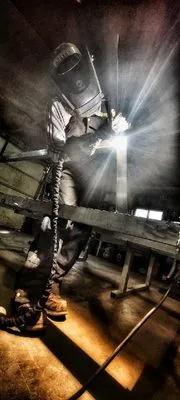
Redthin Services LLC, based in Sterling, MI, brings over 20 years of experience in welding and metal fabrication to the local community. The company specializes in a range of services including fence ...

Ace Welding & Machine Inc, a family-owned and operated business in Traverse City, MI, has been delivering quality metal fabrication and welding services since 1980. Founded by Sylvester ""Bess"" Walte...
Sampson Fence Company, based in Hope, MI, brings over a decade of experience to fence and gate projects for both residential and commercial clients. The company specializes in wood, vinyl, chain link,...

Dog Guard of Northern Michigan provides invisible fence solutions tailored for pet owners in Traverse City, MI. Located near the Boardman River Trail and downtown Traverse City, they address the commo...

Spinx Services is a family-owned home services provider based in Traverse City, MI, with over 30 years of experience in fences and gates, decks, and railing. We specialize in deck construction, repair...

Fineline Fencing, established in 2007, is a locally owned and operated fencing company serving Cadillac, Traverse City, Big Rapids, Lake City, Kalkaska, and the surrounding areas. We specialize in pro...

Quality Fence, located in Thompsonville, MI, specializes in fence and gate installation, repair, painting, staining, and weatherproofing. A common local issue in this area is the combination of heavy ...
Estimated Fencing Costs in Mio, MI
Common Questions
How do Mio's soil and pest conditions affect my choice of fencing materials?
Mio has low to moderate soil corrosivity and a moderate termite risk level. This dictates material compatibility. Pressure-treated pine posts are standard, but must be rated for ground contact (UC4B). For metal fencing, use hot-dip galvanized or aluminum fasteners to prevent rust streaks from the acidic soil. Vinyl is corrosion-proof but requires UV-stabilized formulations. Avoid untreated wood in direct ground contact due to termite and rot susceptibility.
What are the height and placement rules for a fence on my property in Mio?
Mio zoning enforces a 3-foot height limit in the front yard and a 6-foot limit in the rear. The setback regulation is a 0-foot setback, meaning you can build directly on your property line. For corner lots, especially near the intersection with M-33, you must maintain a clear 'sight triangle'—typically a 10-foot area from the property corner—free of any visual obstruction over 3 feet high to ensure driver visibility.
How is my fence designed to withstand Mio's high winds?
The design is governed by the 105 MPH V-ult wind speed rating for Oscoda County, per ASCE 7-22 standards. This 'ultimate design wind speed' dictates post spacing, concrete footing size, and bracket strength. For a standard 6-foot privacy fence, we reduce post spacing to 6-7 feet on-center and use 6x6 posts with 12-inch diameter concrete footings. This engineering is critical to survive peak storm season gusts, particularly in exposed areas.
What is the utility locate process, and who handles permits for a Mio fence project?
You must contact MISS DIG 811 at least three business days before any digging. In Downtown Mio, hitting a buried gas, electric, or communication line is a major liability involving repair costs and fines. As your contractor, we manage the entire process: filing the MISS DIG ticket, coordinating the locates, and pulling any required permits from the Oscoda County Building Department to ensure the project is documented and legal.
Are smart or self-closing gates required for pools, and what are the trends?
The Michigan Residential Code (IRC Appendix AG) mandates that pool barriers have self-closing, self-latching gates. While smart gate IoT integration remains a low trend in the Mio area, any integrated electronic latch must meet these same fail-safe mechanical standards to prevent liability. A gate that automatically closes and latches from any position is non-negotiable for compliance and child safety, regardless of smart features.
How soon can you start a project, and what is your consultation process?
We typically schedule consultations within 3-5 business days. For a site visit in Downtown Mio, our route originates near the Oscoda County Courthouse, proceeds north on M-33, and reaches most properties within the 15-25 minute response window. The consultation includes a zoning review, site measurement, wind load assessment, and a detailed quote. Project start dates are scheduled upon signed contract and permit approval.
Am I legally required to talk to my neighbor before building a fence in Mio?
Yes. Under Michigan's Good Neighbor Fence Act (MCL 600.2974), a property owner must provide written notice to adjoining owners before replacing a shared boundary fence. As of 2026, this requirement is strictly enforced in Oscoda County. The notice must describe the proposed fence, estimated cost, and a 30-day response period. Failure to provide this notice can affect cost-sharing and lead to civil disputes.
Why do fence posts need to be set so deep in Mio, and what are the standards?
The 42-inch frost line depth in Mio dictates footing stability. Posts not set below the frost line are subject to frost heave, where freezing soil lifts and destabilizes the structure. For Downtown Mio, this is the primary cause of post failure. We follow IRC R403.1.4 for footings, ensuring all posts are set at a minimum of 42 inches to a 48-inch depth, compacted with gravel for drainage, to provide a permanent foundation.
